Gohru Jot
Duration
8 Days
Best Time
10 Days
Elevation
4,950m / 16,240ft
Location
Himachal Pradesh
Difficulty
Fitness Level
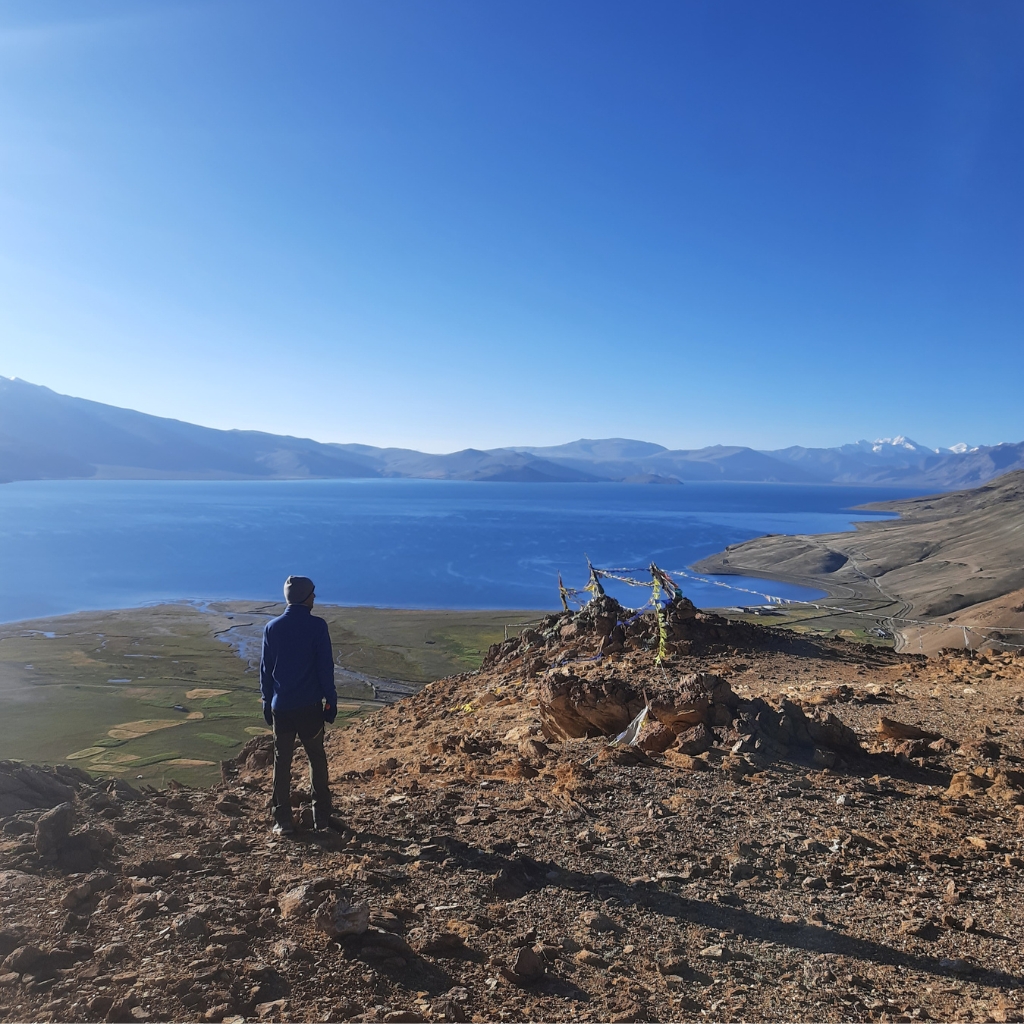
The Gwaru (Gohru) Pass trek is a lesser-known high-altitude crossing in the Pir Panjal range, linking interior Kullu valleys with more remote alpine basins. The route climbs out of forested terrain into high meadows and ridgelines before crossing the pass and descending into quieter, rarely visited valleys.
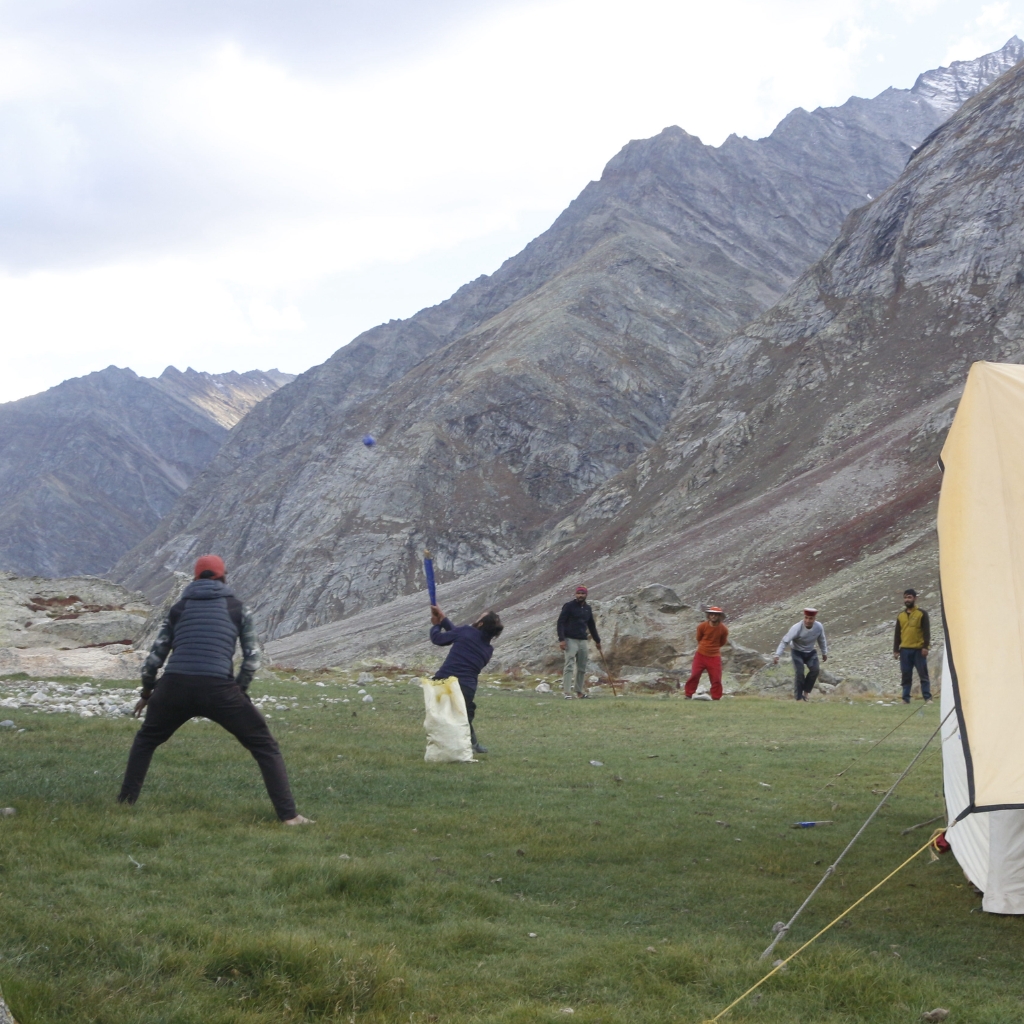
This trek is defined by its raw and less-defined terrain. The initial days move through dense forests and traditional grazing routes, gradually opening into alpine pastures and exposed slopes. As the route gains height, trails become faint, and movement relies more on terrain awareness than fixed paths.
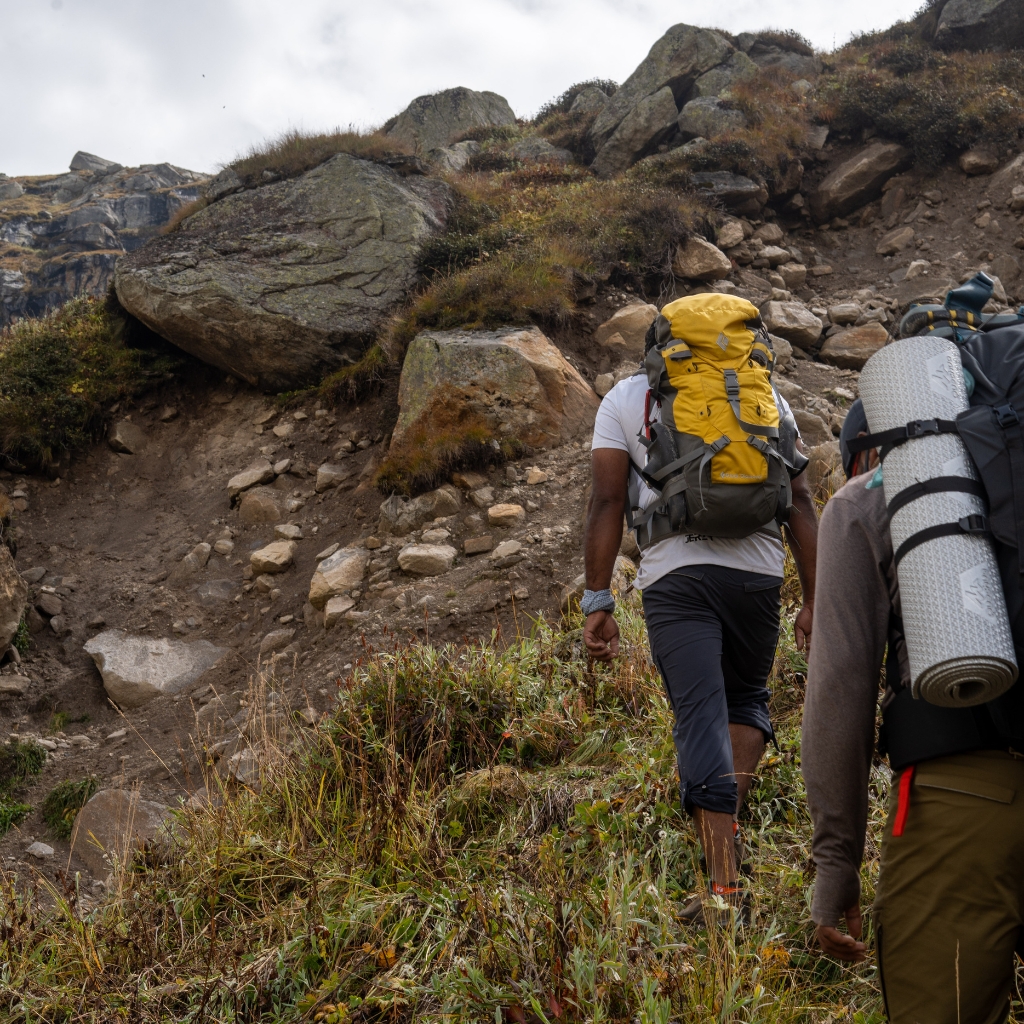
The ascent to the pass involves steep climbs over grass slopes, scree, and seasonal snow, depending on conditions. The crossing itself offers wide views of the Pir Panjal range, while the descent is often longer and more varied, moving through remote camps with minimal signs of human activity.
What sets Goru Pass apart is its low traffic and exploratory nature. It is not a commercial trekking route, and sections may require route finding, especially near the pass and on the descent.
We approach this trek with a focus on route knowledge, controlled pacing, and strong logistics, ensuring the team can move efficiently through less-defined terrain.
What to expect from this Expedition
The Goru Pass trek is a moderate to demanding high-altitude trek, with difficulty driven by terrain variation, elevation gain, and limited trail definition. The route includes forest trails, alpine meadows, steep ridgelines, and loose sections, making it physically engaging. The pass crossing can be demanding depending on snow conditions and visibility. Weather can change quickly at higher elevations, and camps are set in remote areas with minimal infrastructure. The sense of isolation increases as the trek moves away from inhabited zones. This trek is suited for those looking for a quieter, more exploratory alternative in Himachal, where navigation and terrain awareness become part of the experience.
Note on Itinerary: While we aim to follow the planned schedule, all itineraries are subject to change based on weather, route conditions, and team pace. Decisions are made in the field to ensure a safe and well-managed journey.
Day 1 – Arrive Manali
Elevation: 6,700 ft / 2,050 m
Arrive in Manali. Check into your hotel and rest. The day is kept easy to begin acclimatisation.
Day 2 – Manali to Khanol, Trek to Chikka
Elevation: 8,860 ft / 2,700 m → 10,500 ft / 3,200 m
Distance: 2 km / 2–3 hrs
Drive to Khanol and begin trekking. Short walk along the valley to reach Chikka camp.
Day 3 – Chikka to Seri
Elevation: 10,500 ft / 3,200 m → 11,800 ft / 3,600 m
Distance: 6 km / 5–6 hrs
Trek gradually through alpine meadows and open terrain to reach Seri.
Day 4 – Seri to Tainta and Back to Seri
Elevation: 11,800 ft / 3,600 m → 12,800 ft / 3,900 m
Distance: 6 km / 5–6 hrs
Acclimatisation walk towards Tainta and return to Seri.
Day 5 – Seri to Gwaru Thach
Elevation: 11,800 ft / 3,600 m → 13,100 ft / 4,000 m
Distance: 3 km / 3 hrs
Short but steady climb to Gwaru Thach. Camp in high alpine terrain.
Day 6 – Gwaru Thach to Bareh via Gwaru Pass
Elevation: 13,100 ft / 4,000 m → 15,715 ft / 4,790 m → 13,880 ft / 4,230 m
Distance: 7–8 hrs
Cross Gwaru Pass with a steep ascent and descent. Terrain includes loose rock and possible snow sections. Camp at Bareh.
Day 7 – Bareh to Malana, Drive to Manali
Elevation: 13,880 ft / 4,230 m → 8,700 ft / 2,650 m
Distance: 7 km / 5 hrs
Descend to Malana. Drive back to Manali.
Day 8 – Departure
Depart from Manali after completing the trek.
Price
Gohru Jot
₹75800 - 8 Days / Ex.Manali
- Train / Flight / Bus reservations for your expedition should be made as soon as possible.
- Please forward a copy of your travel itinerary before final payment so we can review departure and arrival dates.
- We make hotel arrangements to meet individual itineraries.
- Visas & Passports To enter India – You must have a passport that is up to date and valid for at least six months after the end of your intended trip in order to enter India.
- Citizens of SARC nations do not need visas, but they must have a valid form of identification with them at all times (see country-specific rules before travelling).
- It is the responsibility of participant to ascertain and meet entrance criteria for their passports or nationalities.
- We are delighted to assist with this procedure. We advise you to review the entry requirements on the relevant country’s official website.
Flying to Kullu / Manali : The nearest airport is Kullu–Manali Airport, which is well connected with major domestic airports. From the airport, Manali is about 1–1.5 hours by road. This trip requires that you arrive in Manali on Day 1 of your expedition. Early afternoon arrival is preferred. A taxi will take you to your hotel (can be arranged by us at an additional cost). Departure: You may plan your onward travel any time after 12:00 Hrs on the last day of your itinerary.
Bus to Manali : Manali is well connected by regular bus services from Delhi and Chandigarh. Both government and private buses operate daily, including overnight options. You will arrive at the Manali bus stand, from where a taxi can take you to your hotel. Pickup can be arranged on request.
Early Arrival/Late Departure: For those arriving early or departing after the scheduled itinerary, we can make hotel and transport arrangements at an additional cost. Please contact our office in advance if you would like us to make additional reservations.
Missed Flights / Buses: If you miss your flight / bus or if your travel is significantly delayed, please contact us through WhatsApp on +91 94076 89444 and follow the prompt for 24-hour contact. Participants are responsible for determining and meeting travel and identification requirements based on their nationality.
- Accommodations as per the Itinerary
- International Backpacking guide fees
- Guide with First aid Certification
- Porters, Camp staff
- Breakfast and dinner in the during stay at town / city
- All food and lodging during the trek and climb. No expense is spared in providing high-quality food. (If you have particular dietary requirements, please give us specific details and we will accommodate your needs.
- All transportation as per the Itinerary
- All group equipment needed to reach Base Camp and climb the mountain: cooking gear, fuel, stoves, ropes, all forms of rock and ice protection, radio communications, medical supplies etc.
- Permit & Park / Forest fee
- Waste disposal bags
- Wire transfer fee (if applicable)
- IFMGA/UIAGM-certified mountain guide fees (You need to inform us prior to book)
- India entry visa and airport fees (If Required)
- Any extra nights’ lodging
- Single room supplement
- Meals not listed above
- All personal snack/lunch food
- Alcoholic beverages and bottled drinks (bottled water)
- International & Domestic Airfare / Trainfare
- Excess baggage charges and airport taxes
- Any transportation not mentioned
- Personal gear, clothing and sleeping equipment
- Forest Charges for carrying still/video cameras etc.
- Personal communication (phone, fax, email)
- All expenses incurred in the event of early departure (evacuation fees, transport, extra hotel nights, etc.)
- Charges incurred as a result of delays beyond the control of Pahadi Bakra Adventure
- Insurance. Trekkers are required to have a comprehensive medical insurance policy in order to embark on this expedition.
EXPENSES
For purchases and supplemental costs in India, we advise combining cash and credit/debit cards. After Manali, there aren’t many establishments that accept cards or UPI, therefore we advise you to bring additional cash. Request modest denominations of change when exchanging money because bigger note change is difficult to get outside of major cities. Alcoholic beverages and bottled beverages are not included with your meals, and as we do not promote the use of single-use plastic, it is advised that you bring your own water bottle. If you intend to purchase refreshments, please bring some additional cash. Ahead of Schedule/Evacuation You are in charge of paying any costs incurred (such as extra hotel nights, transportation costs, and evacuation fees) if you have to leave the adventure before it is finished. It is advised to purchase comprehensive travel insurance so that these expenses may be paid for should they arise.
TIPPING
Every effort is made by our staff to make sure your trip or excursion is successful, safe, and as fun as possible. Gratuities are a great way to express your gratitude after a satisfying encounter. Since we think gratuities should depend on the quantity and quality of services, as well as an amount that fits your budget, it’s challenging to suggest a precise sum. Your lead guide and coordinator can accept any contributions to the guides’ tip fund, and the entire team will be grateful.
- 25% cancellation of the package cost after confirmation/issuing the hotel voucher.
- 30% cancellation of the package cost Between 60 to 45 days of the traveling date.
- 50% cancellation of the package cost Between 44 to 30 days of the traveling date.
- 100% cancellations Between 29 – 0 days of the travels date.
- 10% amount is non-refundable at any point.
- If the customer cancels his/her booking because of reasons like Illness, personal problems death, accident or No Shows amount will be deducted according to the policy.
- All cancellations must have interacted in writing.
- Policy may be different for Foreigners or International traveler / participants.
TRIP CANCELLATION INSURANCE
- As there are many unforeseen circumstances that may occur during or leading up to the trip, we highly recommend trip cancellation insurance.
- In many situations, this may be the only way to receive a refund for unused services.
- In brief, trip cancellation insurance may allow you to get reimbursed if you need to cancel your expedition when you are not entitled to a refund from Pahadi Bakra.
PACKS & BAGS
Duffel Bag (1 Piece, 90–100L)
Primary load bag for transporting all personal gear. Should be durable, weather-resistant, and suitable for rough handling.
Backpack (1 Piece, 50–60L)
Main trekking pack for carrying daily essentials. Must have proper load distribution and hip support.
Dry Bag / Pack Liner (1 Set)
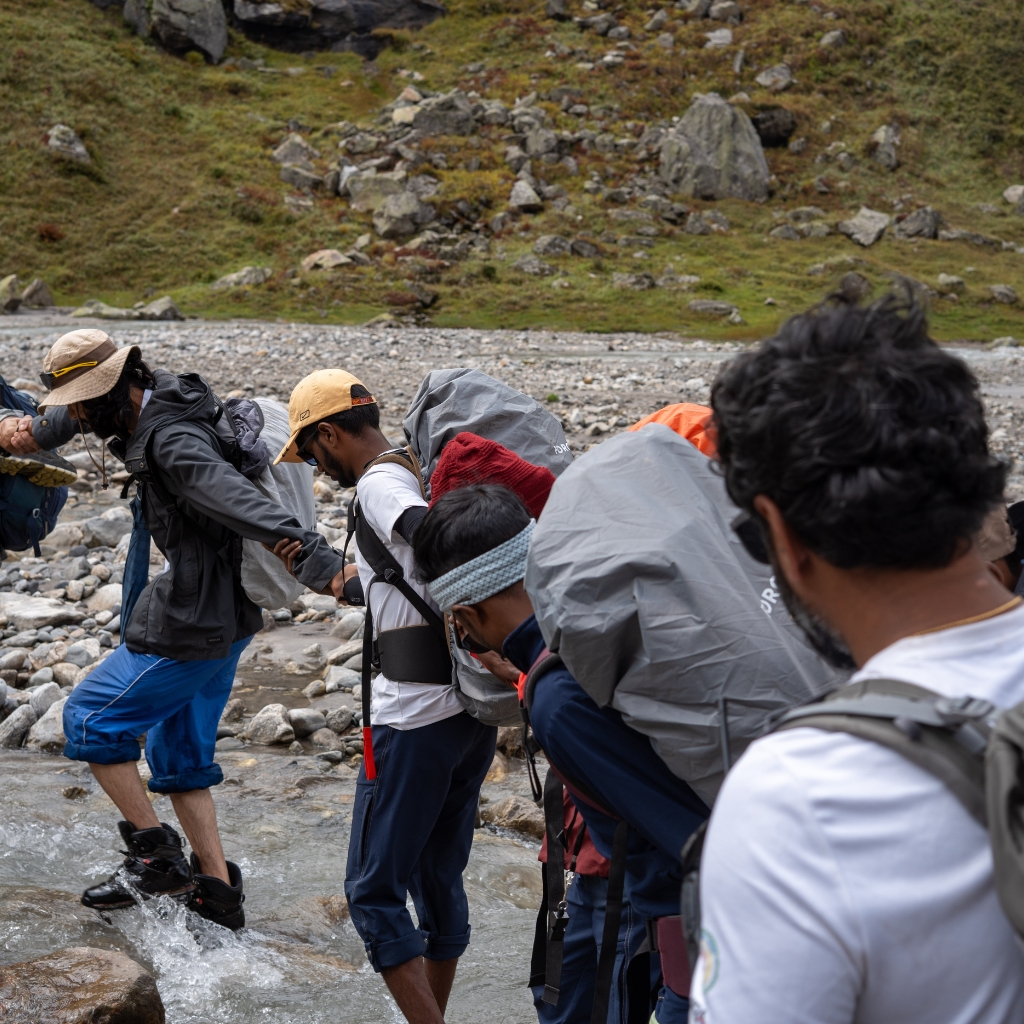
Internal waterproofing system to protect critical gear from moisture and river crossings.
CLOTHING SYSTEM
Base Layer (1 Set)
Moisture-wicking thermal layer used for temperature regulation during cold conditions.
Trekking Clothing (2–3 Sets)
Lightweight, quick-dry layers suitable for sustained movement over multiple days.
Mid Layer (1 Piece – Fleece / Light Insulation)
Active insulation layer for moderate cold during movement.
Insulated Jacket (1 Piece – Down / Synthetic)
Primary thermal layer for static conditions and high-altitude camps.
Waterproof Shell Jacket (1 Piece)
Technical outer layer providing protection from wind, precipitation, and exposure.
Waterproof Shell Pants (1 Piece)
Protective lower layer for high pass crossings and adverse weather.
Trekking Pants (1–2 Pieces)
Durable, breathable pants for daily use across varied terrain.
HEAD, HAND & FOOTWEAR
Warm Cap / Beanie (1 Piece)
Thermal protection for cold and high-altitude exposure.
Sun Cap (1 Piece) – Optional*
Protection against direct solar radiation at altitude.
Buff / Neck Gaiter (1 Piece) Optional*
Multi-use protection from wind, dust, and cold.
Insulated Gloves (1 Pair)
Primary hand protection in cold and windy conditions.
Trekking Boots (1 Pair)
Mid to high-ankle boots with stiff sole for stability on uneven terrain and load carrying.
Camp Footwear (1 Pair)
Lightweight footwear for recovery and movement at camp.
Socks (3–4 Pairs)
Combination of moisture-wicking and insulating layers for foot management.
CAMPING GEAR - Can be Rented
Sleeping Bag (1 Piece, Comfort -10°C to -20°C)
Insulated system suitable for sub-zero high-altitude conditions.
Sleeping Mat (1 Piece)
Ground insulation to reduce heat loss and improve recovery.
PERSONAL ITEMS
Headlamp (1 Piece)
Hands-free lighting system for early starts and camp movement. With extra battery or Charger.
Sunglasses (2 Piece, Category 4 or with UV Protection)
High-altitude eye protection against UV exposure and snow glare.
Sunscreen (1 Piece, SPF 50+)
Protection against intense solar radiation.
Lip Balm (1 Piece)
Prevents cracking and sun damage at altitude.
Personal First Aid Kit (1 Set)
Basic medical kit tailored to individual needs.
HYDRATION & NUTRITION
Water Bottles (2 Pieces, 1L each)
Carrying capacity for maintaining hydration at altitude.
Personal Snacks (1 Set) Optional*
Supplementary nutrition for energy during long trekking days.
MISCELLANEOUS
Trekking Poles (1 Pair)
Aid in balance, load distribution, and reducing joint strain.
Power Bank (1 Piece)
Backup power source for essential electronics.
Repair Kit (1 Set)
Basic field repair tools for gear maintenanc
DOCUMENTS
ID Proof (1 Piece)
Mandatory for permits and identification.
Insurance
Travel insurance copy printed.
Cash (Small Amount)
Required for remote regions with no digital access.
Customise This Expedition
While most of our departures are designed as small, fixed groups, this itinerary can also be run as a private or customised expedition. Group journeys often create strong connections and shared experiences, but we understand that certain trips require a more tailored approach—whether it’s timing, team composition, or objective. Over the years, Pahadi Bakra has led private expeditions across multiple Himalayan regions, working with climbers, trekkers, filmmakers, and organisations. A private departure allows for better control over pace, team size, and overall structure—especially in remote or high-altitude environments where flexibility matters.
Build It Around Your Objective
This itinerary can be adjusted based on your requirements. Whether you need a specific start date, a modified route, or additional acclimatisation days, we can structure the expedition accordingly. It also works well for focused objectives—recce trips, training-based journeys, documentation projects, or small team expeditions. We keep the approach practical—fewer people, better logistics, and a structure that fits your goal, rather than forcing you into a fixed format.
Get in Touch
If you’re looking to customise this trip or run it privately, reach out to discuss your plan. We’ll work with you to shape an expedition that fits your timeline, team, and objective.
Why Trek With Us!
Our treks are built on strong fundamentals—planning, people, and responsibility in the mountains. We operate with experienced guides and local teams who bring years of on-ground knowledge, not just of the routes, but of how to move safely and efficiently in these environments. Many of our team members have over a decade of experience, with some working in the mountains for much longer. Select expeditions are supported by UIAGM-level guiding standards, ensuring a higher level of decision-making, safety, and overall experience.
We actively work with local staff in every region we operate, so the communities we travel through are directly involved and benefit from each expedition. Their knowledge, combined with our guiding approach, strengthens both the experience and the connection to the region.
Every journey is backed by careful logistics and realistic planning, so the focus stays on the terrain, not on managing avoidable issues.
At the same time, we follow Leave No Trace principles—keeping groups small, minimising impact, and ensuring responsible travel in sensitive environments.
We don’t try to offer everything. We focus on doing a few things well—with the right team and the right approach.